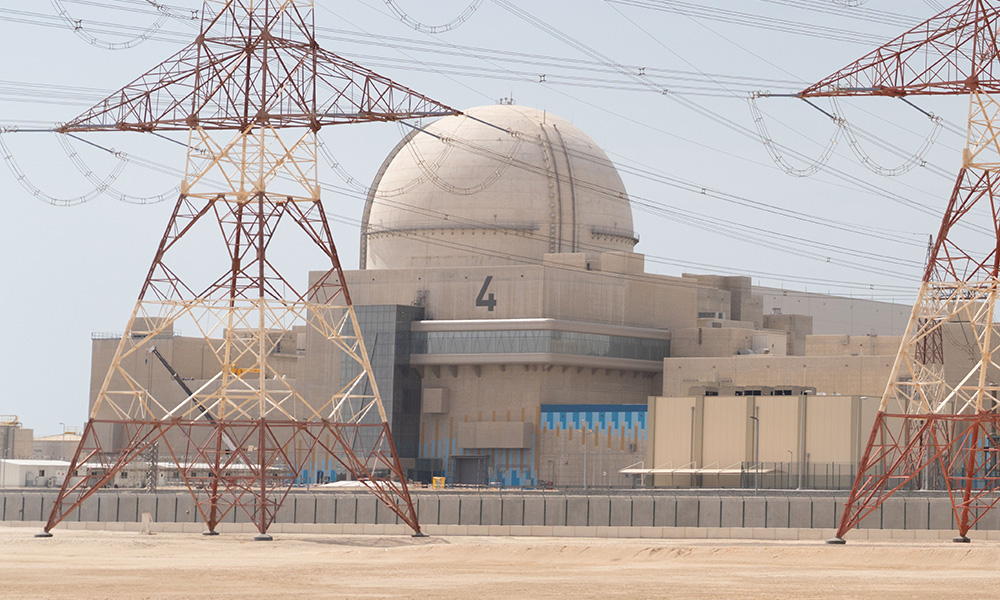
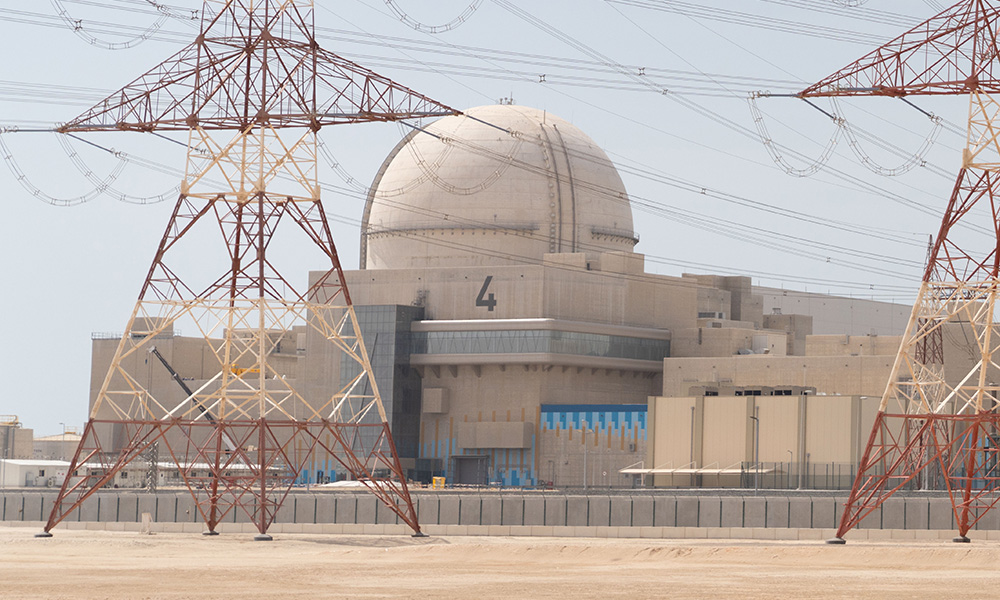
Unit-4-of-the-Barakah-Nuclear-Energy-Plant_1000x600.jpg

March 25, 2024 valueeng0

Nawah Energy Company has said that it has safely and successfully connected Unit 4 of the Barakah Nuclear Energy Plant to the UAE’s transmission grid. The firm is the operations and maintenance subsidiary of Emirates Nuclear Energy Corporation (ENEC).

Grid connection signifies the delivery of the first megawatts of carbon-free electricity from the fourth reactor of the nuclear energy plant, marking a pivotal moment in the nation’s clean energy transition and journey towards Net Zero by 2050. Unit 4 will add another 1,400MW of clean electricity capacity to power the national grid, representing another significant step forward towards full-fleet operations, further supporting the UAE’s efforts in enhancing grid stability and energy security through abundant around-the-clock zero-emissions electricity, said a statement from ENEC.

The Nawah teams at Barakah are said to have worked closely with the Abu Dhabi Transmission and Despatch Company (TRANSCO), a subsidiary of Abu Dhabi National Energy Company PSJC (TAQA), who constructed the overhead lines to connect the Barakah Plant to the Abu Dhabi grid – ensuring the power generated at Barakah is safely, securely and reliably delivered to consumers across the country.

“We are proud to have achieved another critical milestone for the Barakah Plant, which stands as a testament to the UAE’s leadership in the development of large-scale multi-unit nuclear fleets. Grid connection of Unit 4 puts us well on the path to full-fleet commercial operations, and with that, the ability to generate 40TWh of clean, baseload electricity annually to drive our Net Zero economy, offering a competitive edge to many businesses, decarbonizing hard-to-abate industries, while presenting a global benchmark for the entire nuclear energy industry,” said His Excellency Mohamed Al Hammadi, Managing Director and Chief Executive Officer of ENEC.

Grid connection of Unit 4 solidifies the Barakah Plant’s position as the cornerstone of the UAE’s Net Zero 2050 Strategy, contributing significantly to the nation’s clean energy portfolio. It not only propels the UAE towards achieving its ambitious climate goals but also positions the country as a leader in nuclear energy and decarbonisation. The operational readiness of all four units underscores the UAE’s commitment to diversifying its energy sources, ensuring the reliability and sustainability of its energy sector for the next six decades, the statement added.

The fourth unit is nearing the start of commercial operations. Following grid connection, Unit 4 will undergo the process of gradually raising power levels, known as Power Ascension Testing (PAT). The process will be continuously monitored and tested until maximum electricity production is reached, while adhering to all local regulatory requirements and the highest international standards of safety, quality and security.

Each Unit has been connected to the grid more efficiently than the previous unit, as institutional knowledge and experience are applied to each subsequent unit. Unit 3 was delivered four months faster than the Unit 2 schedule, and five months faster than the Unit 1 schedule, demonstrating the significant benefit of building multiple units within a phased timeline, ENEC explained.

Backed by the success of the Barakah Plant, ENEC is at the forefront of pioneering initiatives aimed at shaping the future of clean energy. ENEC’s focus on advancing nuclear technologies, across large-scale PWR reactors through to Small Modular Reactors (SMR) and microreactors through the ENEC ADVANCE Program, aims to further strengthen the UAE’s leadership in climate action and clean energy transition. This strategic direction not only amplifies the UAE’s contributions to global decarbonization efforts but also showcases the potential of advanced nuclear technologies in meeting the world’s growing energy needs sustainably, the statement concluded.

The post Unit 4 of Barakah Nuclear Energy Plant connected to UAE grid appeared first on Middle East Construction News.

Source: MEConstructionNews
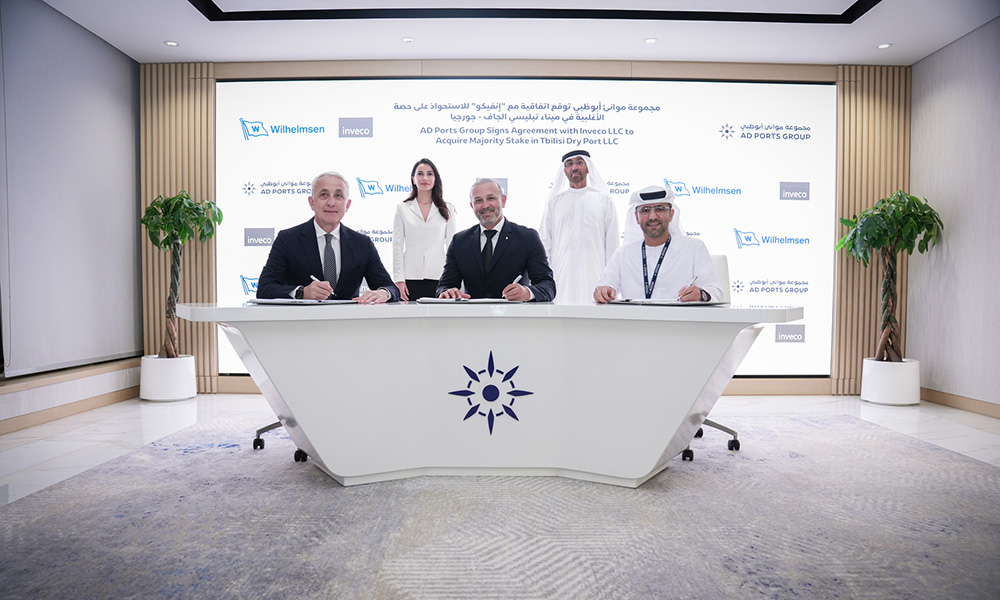

Tbilisi-Dry-Port1_1000x600.jpg

March 22, 2024 valueeng0

A purchase agreement has been signed between AD Ports Group and Inveco LLC, which will see the former company acquire 60% ownership in the Tbilisi Dry Port, which is said to be a new custom-bonded and rail-connected intermodal logistics hub in Georgia.

Currently owned by Inveco LLC and Wilhelmsen, the project is expected to be operational by Q4 2024. It is expected to serve as a key logistics hub situated along the strategically important Middle Corridor – an emerging trade lane linking manufacturing hubs in Western Asia to consumer markets in Eastern Europe by leveraging a combination of sea and dry ports located in Kazakhstan, Azerbaijan, Armenia, Georgia, and Türkiye.

“Guided by the vision of our wise leadership, the UAE Government is focused on fostering international cooperation with strategic and global partners that share our vision for mutual benefit and sustainable prosperity. Consequently, in October 2023, the UAE and Georgia signed a Comprehensive Economic Partnership Agreement (CEPA), which aims to increase the bilateral non-oil trade between our two nations to US $1.5bn in five years, while accelerating economic recovery and securing vital supply chains. AD Ports Group’s investment in the Tbilisi Dry Port delivers on this objective, which is set to deepen trade and investment ties, develop global trade lanes, and generate market access opportunities for UAE and Georgian businesses alike,” explained His Excellency Ahmed bin Ali Al Sayegh, Minister of State, Ministry of Foreign Affairs, Government of the UAE.

As a key logistics facility in Georgia connecting the Caspian Sea and the Black Sea, which are at the heart of the Middle Corridor, the project consists of different integrated facilities such as a container freight station, warehouses and a car storage park. The facility will serve as a point of entry and exit, as well as a regional transit point for manufacturers, shippers and consignees moving containers, vehicles and other goods for distribution and storage.

The project is said to offer direct westward railway links to Türkiye and to Georgian Ports of Poti and Batumi, which further connect to European Black Sea ports in Bulgaria and Romania, while its eastern connectivity links with different ports located along the Caspian Sea via a railway corridor to Azerbaijan.

The development offers significant intermodal logistics capabilities given its location within the Tbilisi airport’s industrial zone which will be backed by state-of-the-art warehousing facilities as well as a cargo and vehicle logistics hub. It consists of two land parcels and will be developed in phases. To future proof the project, an additional 88,000sqm of land is available to cater for further volume growth, said the statement.

Captain Mohamed Juma Al Shamisi, Managing Director and Group CEO, AD Ports Group added, “AD Ports Group is committed to strategic international investments that advances economic growth, job creation and mutual benefit in line with our wise leaders’ vision. By investing in, and operating, new strategic infrastructure and logistics hubs along the Caspian Sea – Black Sea Corridor, AD Ports Group is delivering on our strategy to strengthen global supply chains. As a country situated at the centre of the Caucasus and located along the Black Sea, Georgia is a key destination linking us with our growing maritime and logistics assets in Central Asia and Türkiye, thereby enabling us to serve our customers with cost-effective, streamlined cargo flows and capture significant future trade volumes.”

The project will be completed in three phases. By the end of the initial phase, the handling capacity is expected to reach 96,500TEUs, with 10,000sqm of warehouse and a car storage yard. Upon the completion of phase three, the project will have a handling capacity of 286,000TEU, 100,000sqm of warehouse and a significantly expanded car storage yard. Further land plots have already been secured and can be developed as and when needed, the statement added.

Noatum Logistics, part of the AD Ports Group, will operate and manage the facilities while leveraging capabilities offered by the Group’s cross-Cluster portfolio and drawing on expertise and capacities of Inveco LLC and Wilhelmsen.

Jemal Inaishvili, Founder of Inveco LLC, Georgia continued, “I’m delighted that negotiations with AD Ports Group ended successfully. AD Ports Group’s participation as a significant facilitator of global trade and logistics will play a key role in the development and success of the Tbilisi Dry Port. AD Ports Group’s vast expertise in ports operations and logistics facilities will bring a new level of management in the Georgia’s logistics sector. I am also very glad that by this partnership we are contributing to growing economic co-operation between United Arab Emirates and Georgia.”

The Middle Corridor is regarded as the shortest trade route between Asia and Europe, covering approximately 7,000km and requiring a journey of 10 to 15 days. The existing Northern Corridor covers about 10,000km overland, requiring 15 to 20 days, while the Southern Ocean Route spans approximately 20,000km, requiring a sea voyage of 45-60 days. The Middle Corridor is expected to serve considerable growth in container volumes, which has the potential to reach 1.9m TEUs by 2040.

Neal de Roche, President, Wilhelmsen Port Services concluded, “Georgia has been an important market to us for a long time already. The development of the Tiblisi Dry Port has been a cornerstone project to support the development of the trade corridor between the Caspian Sea and the Black Sea. We are excited to have AD Ports Group come in as majority shareholder with their wealth of experience in port and terminal operations.”

The post AD Ports Group inks deal for 60% stake in Tbilisi Dry Port appeared first on Middle East Construction News.

Source: MEConstructionNews


Dubai-City_1000x600.jpg

March 22, 2024 valueeng0

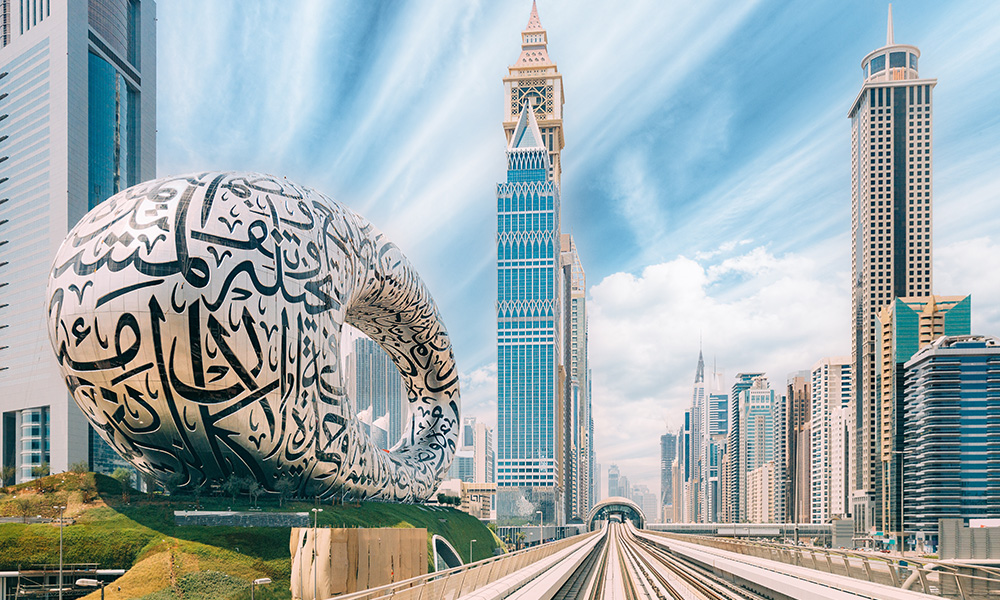
A portfolio of public-private partnership (PPP) projects valued at US $10bn has been approved by Dubai’s Department of Finance (DoF). The projects aim to further enrich cooperation and generate new collaborations between sector stakeholders.

His Highness Sheikh Hamdan bin Mohammed bin Rashid Al Maktoum, Crown Prince of Dubai and Chairman of Dubai Executive Council approved the projects during the first meeting of The Executive Council of Dubai since its reconstitution, as part of a PPP strategy, WAM said in a report.

“The vision of His Highness Sheikh Mohammed bin Rashid Al Maktoum, for Dubai to become a strong hub for global economic development and a platform for emerging sectors, enabled DOF to identify the best opportunities in the most active economic sectors and to create a portfolio worth AED40 billion of government projects that can be financed, implemented and operated according to the PPP model. Launching an abundant, strong portfolio of projects is a fundamental pillar of the Government’s PPP strategy, and we are ready to benefit from the success achieved in the previous stages of developing the PPP ecosystem and continue to innovate in financing vital government projects,” commented Abdulrahman Saleh Al Saleh, DOF Director-General.

The CPF programme for managing the PPP ecosystem performance within the Government of Dubai revolves around five strategic objectives – ensuring compliance with the Public-Private Partnership Law, policies and guidelines throughout the partnership lifecycle; encouraging government entities to adopt the PPP model; encouraging private sector participation in public sector projects; stimulating innovation in project financing, development and operation through private sector participation; and pushing towards the adoption of environment, social and governance practices in the PPP ecosystem.

“Over a three-year period, from 2024-2026, the new PPP projects portfolio will cover 10 fundamental economic sectors. The PPP strategy focuses on the continuous consolidation of the regulatory framework in the emirate. Therefore, DOF has built a comprehensive performance framework (CPF) programme to ensure accurate management of the PPP ecosystem performance,” concluded Arif Abdulrahman Ahli, Executive Director of the Planning and General Budget Sector at DOF.

The post Dubai’s Department of Finance approves $10bn in PPP projects appeared first on Middle East Construction News.

Source: MEConstructionNews


Desalination1_1000x600.jpg

March 22, 2024 valueeng0

Spanish group Coxabengoa has officially begun commercial operation at Abu Dhabi’s Taweelah desalination plant.

The plant has successfully passed rigorous final performance tests, marking the start of commercial operation of the full plant (combining Phase One and Phase Two), and operations have now attained full production levels. For 30 consecutive days, the plant passed final performance tests, demonstrating its capacity by desalinating 204m gallons in a single day, exceeding the planned capacity by 2%.

Following the contractual tests, the plant has now been handed over to the project company, Taweelah RO Desalination Company, a joint venture between the Abu Dhabi companies Taqa and Mubadala, as well as Acwa Power, a power development, investment, and operation specialist.

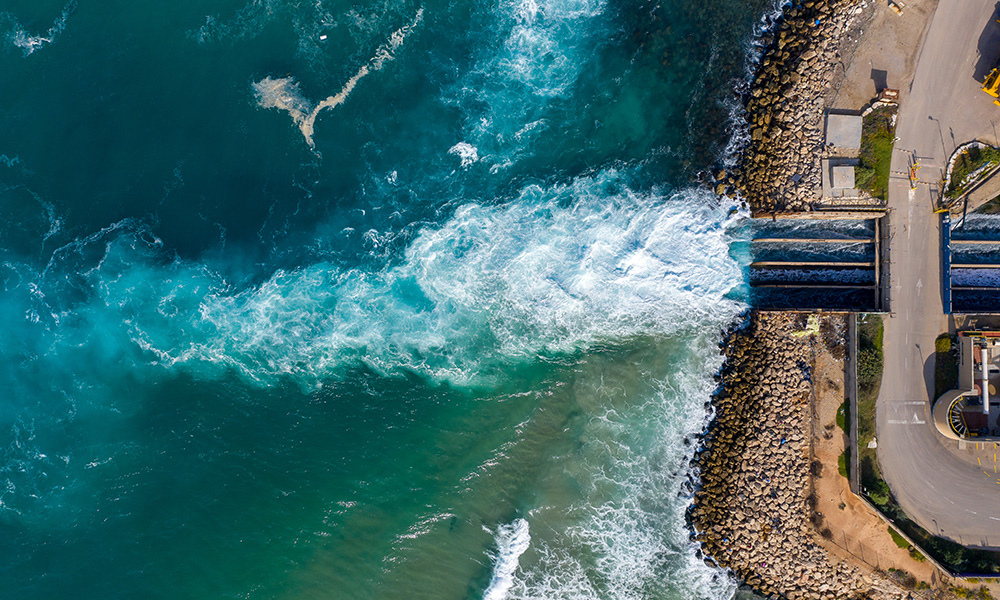
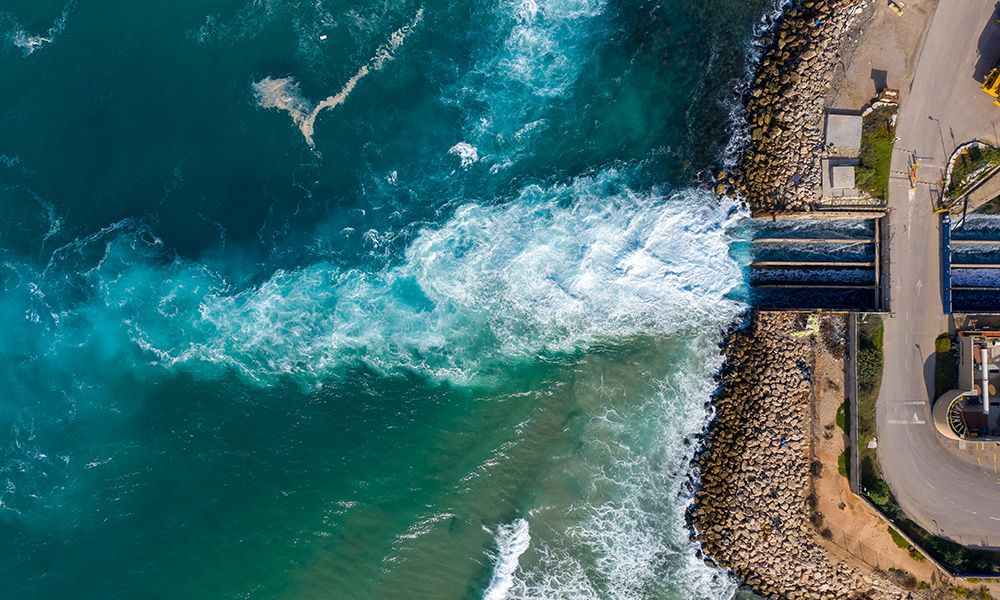
Taweelah is currently the largest reverse osmosis (RO) desalination plant in the world, featuring a daily output of 909,218cu/m.; it is also said to be remarkable for its exceptional energy efficiency, with specific consumption substantially lower than slated in the plant’s first planning stages.

The Taweelah desalination plant guarantees supply to the city of Abu Dhabi throughout the year. It is also the emirate’s first large-scale plant to combine the production of drinking water with the generation of clean energy, as a result of a photovoltaic solar field with a capacity of more than 70MWp.

The project, located on the coast of the Persian Gulf, is part of the plan developed by the UAE government to encourage private participation in the development of the country’s infrastructures.

The post Abu Dhabi’s Taweelah desalination plant begins operations appeared first on Middle East Construction News.

Source: MEConstructionNews